My experience at La Jarilla began in early December — and it began with fire.
I was the only volunteer there at the time, and for a full month it was just me, the land, and the crackling responsibility of keeping myself warm. In a place where the fireplace is not a decoration but a lifeline, making fire quickly became my daily ritual. There is something unexpectedly romantic about it too: the smell of wood smoke permanently woven into your clothes, your hair, your mornings.
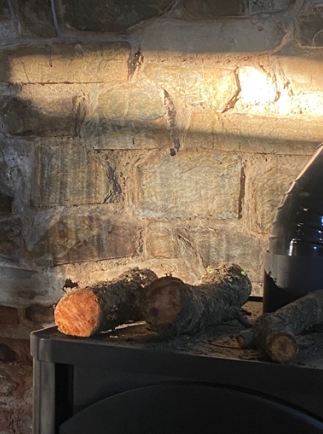
By the end of winter, without quite noticing how it happened, I had become the fire expert. New volunteers would arrive and I would be the one showing them the tricks — how to coax a flame from damp wood, how to keep it going through the night. What started as a personal challenge had turned into something I could share.
—
But fire was just the beginning. The nature at La Jarilla is unlike anything I had seen before. Standing on any rock or ridge, the views hit you immediately — wide, raw, and quietly beautiful. One of the most fascinating things underfoot is the soil itself, or rather, the lack of it. The earth here is covered in magnetic stones, which means that if you want to grow anything, you have to *build* the ground first. The land demands patience and intention before it gives anything back.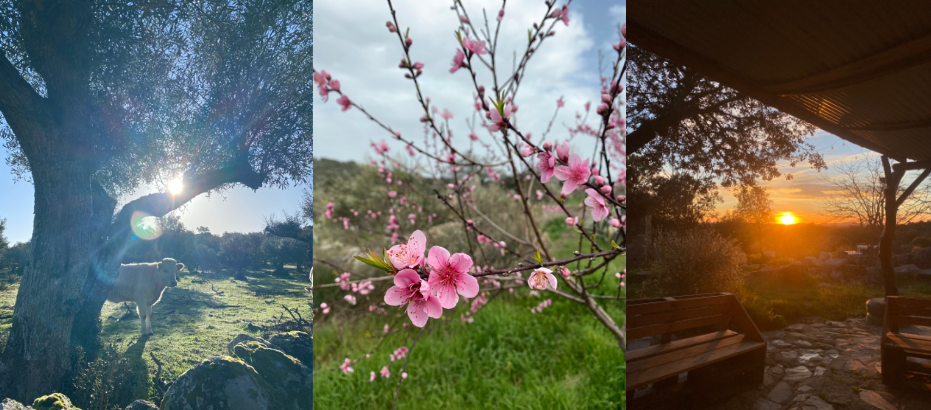
This is where I gathered some of the most valuable knowledge of my time there: the natural ways of caring for soil. Learning to test the ground, to use animals as agents of recovery, to make natural fertilizers, and to understand which plants are the pioneers — the ones that quietly prepare the earth for everything that comes after. It reshaped the way I think about growing things entirely.
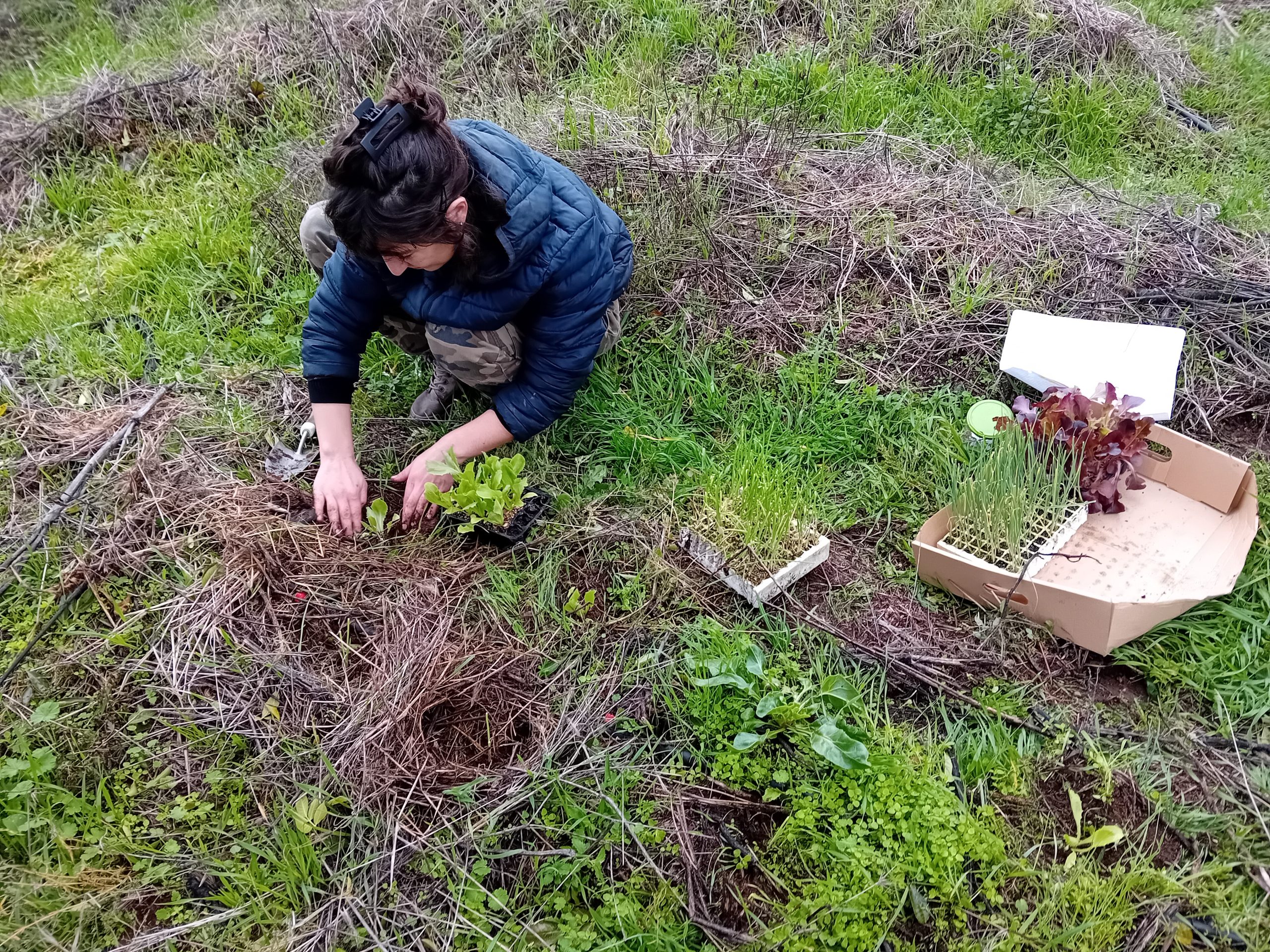
The philosophy that stuck with me most is simple but quietly profound: *nothing in the world exists in isolation*. Everything around us is connected, and everything has a use — the real skill is learning to manage resources in a way that works with that truth, not against it.
—
I should mention that I grew up in a small village where life was naturally organised around caring for the earth, caring for each other, and sharing what you had. Nobody called it *permaculture* or *holistic management* — it was just how things were done. Coming to La Jarilla after ten years of living in cities felt, in the truest sense, like going back to something I had always known – A return to origins.
The animals on the land deserve their own mention. They are genuine characters — each with their own personality — and watching how they contribute to and interact with the ecosystem around them was one of the quiet joys of daily life there.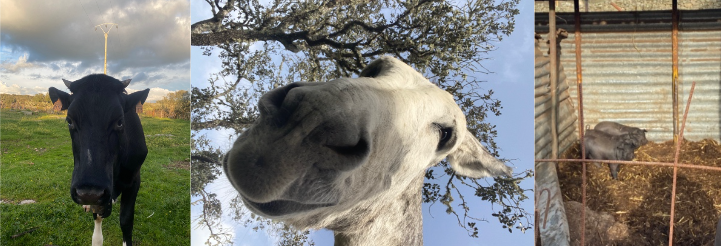
Outside of the work itself, I was lucky to become well integrated into the village and made real friends there. My free time filled itself naturally with adventures. With the warm support of the association’s members, I managed to travel through Spain and Portugal, visiting different cities and friends scattered all across. It added a richness to the experience that went well beyond the land itself. 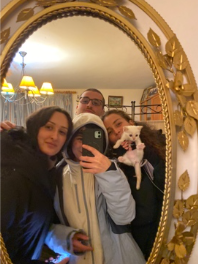
La Jarilla gave me things I did not expect to find: practical skills, a reconnection with the natural world, good friendships, and a reminder that the old ways of living — slow, attentive, reciprocal — still have everything to teach us.
Whether it is the right place for you is something only you can decide.
I.B.
